How to Write a Song: A Step-by-Step Guide for Beginners (2026)
Most people who say they can't write songs are actually just starting in the wrong place. They open a notebook, wait for a great first line, don't get one, and quit. Professional writers rarely work that way. They work in a fixed order, and the order does most of the heavy lifting.
Step 1: Start with the title, not the first line
A title is a promise about what the song is about. "Someone Like You", "Blinding Lights", "Jolene" — you know what you're getting before a note plays. Write twenty candidate titles before you write any lyric. Ninety percent will be bad, which is the point: the exercise is to find the one idea worth three minutes of a listener's life.
Good titles are usually short, contain a small tension, and could plausibly be said out loud by a real person. If your title sounds like something nobody has ever said, the lyric will fight you the whole way.
Step 2: Decide the structure before you write
The overwhelming majority of commercial songs use one of three shapes:
- Verse — Chorus — Verse — Chorus — Bridge — Chorus (the default in pop, rock and country)
- Verse — Pre-chorus — Chorus, repeated, with a drop or a final lift (modern pop and dance)
- AABA: two similar sections, a contrasting section, then a return (jazz standards, a lot of singer-songwriter material)
Pick one and write it down at the top of the page before the first word. Structure isn't a limitation, it's a container. Without it you'll write four verses and no chorus, which is the single most common beginner mistake.
Step 3: Write the chorus first
The chorus carries the title, the hook and the emotional thesis. If it isn't strong, no verse can save it. Write it first while your idea is still fresh, and keep it simple: four lines, mostly one and two-syllable words, one image the listener can see.
“If you can't sing your chorus to someone once and have them hum it back, it isn't finished yet.”
Step 4: Write verses that earn the chorus
Verses are where the specifics live: a place, a time, an object, a name. Specific details make a song feel true; general statements make it feel like a greeting card. "I miss you" is a sentiment. "Your coffee cup is still on my windowsill" is a song.
Match the syllable count line-for-line between verses. If verse one has eight syllables in its first line, verse two should be close. Rushing a crammed second verse is the fastest way to make a good song sound amateur — our free lyrics counter will do the arithmetic for you.
Step 5: Use the bridge to change the angle
A bridge should not repeat what the verses already said. It should reframe: a change of perspective, a confession, a time jump, or a question the chorus then answers. Two to four lines is usually enough.
Step 6: Sing it before you finish it
Lyrics that look great on paper often fail in the mouth. Consonant clusters that trip the tongue, vowels that sit badly on a high note, lines that need a breath in a place where the melody doesn't allow one — you only find these by singing.
Record a rough vocal against a simple accompaniment as early as you can, even on your phone. Then fix what fought you and record it again.
Step 7: Demo it without losing momentum
The demo stage is where most half-finished songs die, and usually for a boring reason: you're reading the lyric off a phone screen, you lose your place, you stop the transport, you restart, and forty minutes later the energy is gone.
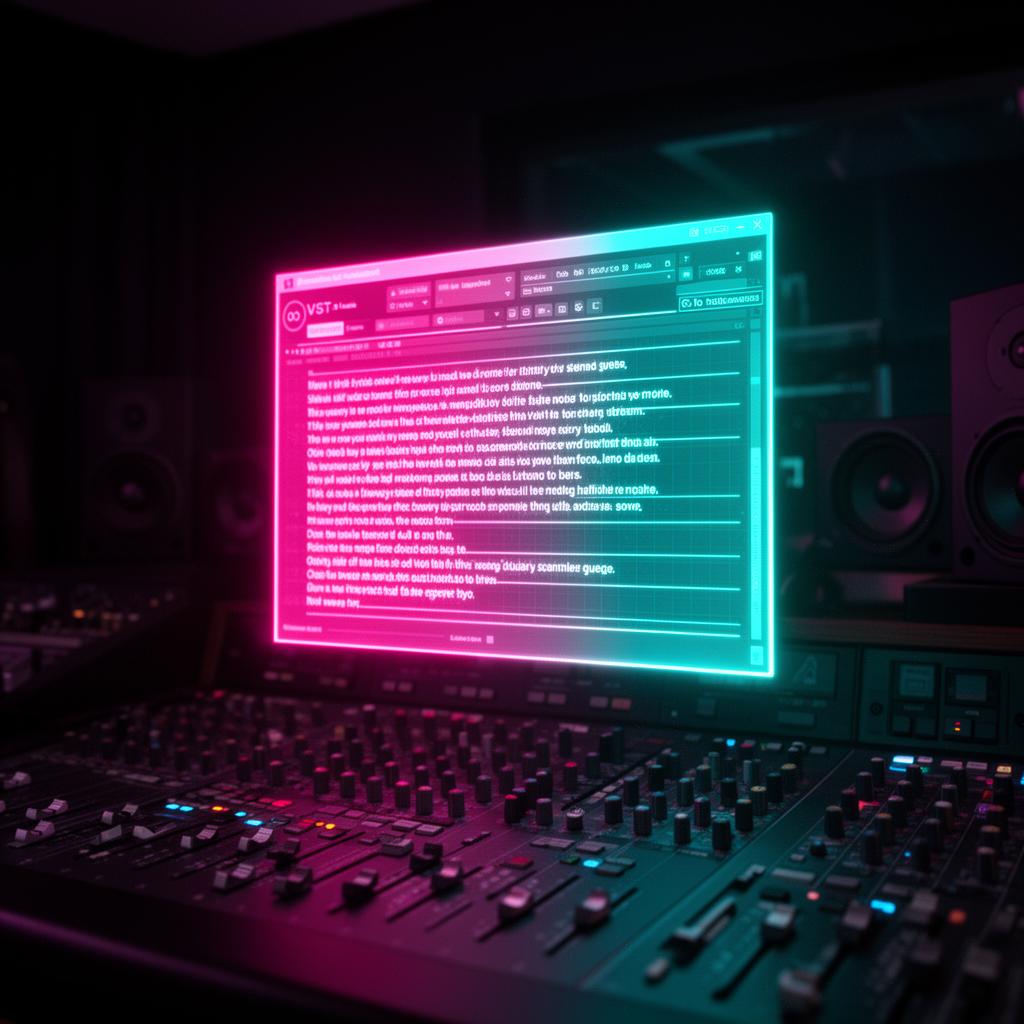
This is exactly the problem LyricsRunnerVST solves. It loads as a VST3 plugin inside Cubase, Logic Pro, Ableton Live, Pro Tools, FL Studio, Studio One, REAPER or Cakewalk and scrolls your lyric sheet in sync with the playhead, so you can record a full pass of a lyric you wrote an hour ago without stopping once.
A 30-minute songwriting exercise
- Minutes 0–5: write 20 titles.
- Minutes 5–10: pick one, write the structure down.
- Minutes 10–20: write the chorus, sing it out loud twice.
- Minutes 20–30: write verse one with three concrete details.
Do that four times a week and you'll have more finished songs in a month than most people write in a year. Craft is a volume game before it is a talent game.
Try it yourself
Ready to transform your sessions?
Drop your email — we'll send the 14-day trial download link to your inbox. No credit card.
- 30-day money-back guarantee
- Instant download
- Works in every major DAW